Buy agrophysical.eu ?
We are moving the project
agrophysical.eu .
Are you interested in purchasing the domain
agrophysical.eu ?
domain@kv-gmbh.de · 0541-91531010
Buy agrophysical.eu ?
Is organic herbal soil suitable for indoor plants?
Yes, organic herbal soil can be suitable for indoor plants. Organic herbal soil is typically rich in nutrients and promotes good drainage, which can be beneficial for indoor plants. However, it's important to ensure that the soil is well-draining and not too heavy, as this can lead to waterlogging and root rot in indoor plants. Additionally, some indoor plants may have specific soil requirements, so it's important to consider the specific needs of the plants you are growing. **
Can I use grave soil for indoor plants?
It is not recommended to use grave soil for indoor plants. Grave soil may contain pathogens, pests, and other contaminants that could harm your indoor plants. Additionally, grave soil may not have the proper nutrients and composition needed for indoor plant growth. It is best to use a high-quality potting mix specifically designed for indoor plants to ensure their health and well-being. **


Similar search terms for Nourison-Desire-Indoor-Beige
Top-Angebote
Products related to Nourison-Desire-Indoor-Beige:
-
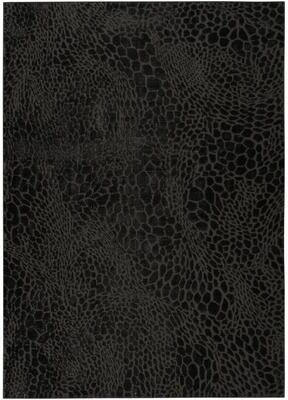
Nourison Desire Indoor Silver Abstract Area RugMake a bold statement with this abstract rug from the Desire Collection. Presented in neutral shades of grey and silver, it features a crisscross linear pattern with carved accents that add depth.205,00 $*Shipping: 0,00 $Secure redirect to the provider
-
Nourison Brushlight Beige Ivory Modern Wool Blend Indoor RugInspired by the fluidity of hand-painted artwork, the Brushlight collection brings movement and depth to modern interiors. Each design fuses soothing neutral tones with abstract designs that invite a sense of flow, like light in motion.941,00 $*Shipping: 0,00 $Secure redirect to the provider
-
Nourison Home Sultana Indoor only Beige Persian Area RugElevate your home with the inviting charm of the Sultana collection. These vintage-style rugs have an incredibly plush texture and are accentuated by space-dyed yarns that enhance the timeless appeal. Finished with fringe edges for added character.653,00 $*Shipping: 0,00 $Secure redirect to the provider



-
Why does the soil of indoor plants mold?
The soil of indoor plants can mold due to a combination of factors such as overwatering, poor drainage, lack of air circulation, and high humidity levels. When the soil remains consistently moist, it creates a favorable environment for mold spores to grow and thrive. Additionally, organic matter in the soil can also contribute to mold growth if it is not properly broken down or if there is an excess amount present. Regularly monitoring the moisture levels in the soil, providing adequate drainage, and ensuring proper air circulation can help prevent mold growth in indoor plant soil. **
-
How to properly fertilize indoor plants in coconut soil?
To properly fertilize indoor plants in coconut soil, it is important to use a balanced water-soluble fertilizer specifically formulated for indoor plants. Dilute the fertilizer to half the recommended strength to avoid over-fertilizing, as coconut soil tends to retain nutrients well. Fertilize the plants every 4-6 weeks during the growing season, and reduce or stop fertilizing during the dormant winter months. Always water the plants thoroughly after fertilizing to prevent salt buildup in the soil. **
-
Why does the soil of indoor plants get moldy?
The soil of indoor plants can get moldy due to overwatering or poor drainage, creating a damp environment that is conducive to mold growth. Lack of proper air circulation and sunlight can also contribute to mold growth in the soil. Additionally, using contaminated potting soil or introducing infected plants can introduce mold spores into the soil, leading to mold growth. Regularly monitoring the moisture levels in the soil, providing adequate drainage, and ensuring proper air circulation can help prevent mold growth in indoor plant soil. **
-
How can I get free soil for indoor plants?
You can get free soil for indoor plants by composting your kitchen scraps and yard waste to create nutrient-rich soil. You can also check with local gardening clubs or community gardens to see if they have any excess soil that they are willing to share. Additionally, some municipalities offer free compost or mulch to residents, so you can inquire with your local government about any available programs. Lastly, you can also ask friends or neighbors if they have any extra soil that they are willing to give away. **


How do I use garden soil for indoor plants?
To use garden soil for indoor plants, you should first ensure that the soil is free from pests, diseases, and weed seeds. You can do this by sterilizing the soil in an oven or microwave. Once the soil is clean, you can mix it with some organic matter like compost or peat moss to improve its texture and nutrient content. It's also important to ensure that the soil has good drainage, as indoor plants are more susceptible to overwatering. Finally, be mindful of the specific needs of your indoor plants and adjust the soil mixture as necessary to provide the right growing conditions. **
Can I use this potting soil for indoor plants?
Yes, you can use potting soil for indoor plants. However, it's important to choose a potting soil that is specifically formulated for indoor plants, as they have different needs compared to outdoor plants. Look for a potting mix that provides good drainage, aeration, and moisture retention to support the growth of your indoor plants. Additionally, consider adding perlite or vermiculite to improve the soil's texture and drainage. **
Top-Angebote
Products related to Nourison-Desire-Indoor-Beige:
-
Nourison Desire Abstract Indoor Area RugCreate a bold focal point for conversation with this modern grey rug from the Desire Collection. The abstract design puts a dramatic spin on a classic bordered rug, with a distressed grey center surrounded by a charcoal grey border.144,00 $*Shipping: 0,00 $Secure redirect to the provider
-
Nourison Desire Indoor Silver Abstract Area RugMake a bold statement with this abstract rug from the Desire Collection. Presented in neutral shades of grey and silver, it features a crisscross linear pattern with carved accents that add depth.205,00 $*Shipping: 0,00 $Secure redirect to the provider
-
Is organic herbal soil suitable for indoor plants?
Yes, organic herbal soil can be suitable for indoor plants. Organic herbal soil is typically rich in nutrients and promotes good drainage, which can be beneficial for indoor plants. However, it's important to ensure that the soil is well-draining and not too heavy, as this can lead to waterlogging and root rot in indoor plants. Additionally, some indoor plants may have specific soil requirements, so it's important to consider the specific needs of the plants you are growing. **
-
Can I use grave soil for indoor plants?
It is not recommended to use grave soil for indoor plants. Grave soil may contain pathogens, pests, and other contaminants that could harm your indoor plants. Additionally, grave soil may not have the proper nutrients and composition needed for indoor plant growth. It is best to use a high-quality potting mix specifically designed for indoor plants to ensure their health and well-being. **
-
Why does the soil of indoor plants mold?
The soil of indoor plants can mold due to a combination of factors such as overwatering, poor drainage, lack of air circulation, and high humidity levels. When the soil remains consistently moist, it creates a favorable environment for mold spores to grow and thrive. Additionally, organic matter in the soil can also contribute to mold growth if it is not properly broken down or if there is an excess amount present. Regularly monitoring the moisture levels in the soil, providing adequate drainage, and ensuring proper air circulation can help prevent mold growth in indoor plant soil. **
-
How to properly fertilize indoor plants in coconut soil?
To properly fertilize indoor plants in coconut soil, it is important to use a balanced water-soluble fertilizer specifically formulated for indoor plants. Dilute the fertilizer to half the recommended strength to avoid over-fertilizing, as coconut soil tends to retain nutrients well. Fertilize the plants every 4-6 weeks during the growing season, and reduce or stop fertilizing during the dormant winter months. Always water the plants thoroughly after fertilizing to prevent salt buildup in the soil. **
Similar search terms for Nourison-Desire-Indoor-Beige
-
Nourison Brushlight Beige Ivory Modern Wool Blend Indoor RugInspired by the fluidity of hand-painted artwork, the Brushlight collection brings movement and depth to modern interiors. Each design fuses soothing neutral tones with abstract designs that invite a sense of flow, like light in motion.941,00 $*Shipping: 0,00 $Secure redirect to the provider
-
Nourison Home Sultana Indoor only Beige Persian Area RugElevate your home with the inviting charm of the Sultana collection. These vintage-style rugs have an incredibly plush texture and are accentuated by space-dyed yarns that enhance the timeless appeal. Finished with fringe edges for added character.653,00 $*Shipping: 0,00 $Secure redirect to the provider
-
Nourison Home Texture Indoor only Cream / Ivory Abstract Area RugInvite chic style to your space with the Home Texture Collection. These modern rugs exude visual appeal through a masterful play of neutral colors and abstract patterns layered to create depth.214,77 $*Shipping: 0,00 $Secure redirect to the provider
-
Why does the soil of indoor plants get moldy?
The soil of indoor plants can get moldy due to overwatering or poor drainage, creating a damp environment that is conducive to mold growth. Lack of proper air circulation and sunlight can also contribute to mold growth in the soil. Additionally, using contaminated potting soil or introducing infected plants can introduce mold spores into the soil, leading to mold growth. Regularly monitoring the moisture levels in the soil, providing adequate drainage, and ensuring proper air circulation can help prevent mold growth in indoor plant soil. **
-
How can I get free soil for indoor plants?
You can get free soil for indoor plants by composting your kitchen scraps and yard waste to create nutrient-rich soil. You can also check with local gardening clubs or community gardens to see if they have any excess soil that they are willing to share. Additionally, some municipalities offer free compost or mulch to residents, so you can inquire with your local government about any available programs. Lastly, you can also ask friends or neighbors if they have any extra soil that they are willing to give away. **
-
How do I use garden soil for indoor plants?
To use garden soil for indoor plants, you should first ensure that the soil is free from pests, diseases, and weed seeds. You can do this by sterilizing the soil in an oven or microwave. Once the soil is clean, you can mix it with some organic matter like compost or peat moss to improve its texture and nutrient content. It's also important to ensure that the soil has good drainage, as indoor plants are more susceptible to overwatering. Finally, be mindful of the specific needs of your indoor plants and adjust the soil mixture as necessary to provide the right growing conditions. **
-
Can I use this potting soil for indoor plants?
Yes, you can use potting soil for indoor plants. However, it's important to choose a potting soil that is specifically formulated for indoor plants, as they have different needs compared to outdoor plants. Look for a potting mix that provides good drainage, aeration, and moisture retention to support the growth of your indoor plants. Additionally, consider adding perlite or vermiculite to improve the soil's texture and drainage. **
* All prices are inclusive of VAT and, if applicable, plus shipping costs. The offer information is based on the details provided by the respective shop and is updated through automated processes. Real-time updates do not occur, so deviations can occur in individual cases. ** Note: Parts of this content were created by AI.