Buy agrophysical.eu ?
We are moving the project
agrophysical.eu .
Are you interested in purchasing the domain
agrophysical.eu ?
domain@kv-gmbh.de · 0541-91531010
Buy agrophysical.eu ?
What is the white coating in the potting soil?
The white coating in potting soil is often a result of the accumulation of soluble salts, such as calcium, magnesium, and sodium. These salts can build up in the soil over time, especially if the water used for irrigation contains a high concentration of these minerals. When the water evaporates, the salts are left behind, forming a white crust on the surface of the soil. This white coating can hinder the absorption of water and nutrients by the plant roots, so it's important to leach the soil periodically to remove the excess salts. **
"Is the white coating on the soil of my plant mold?"
The white coating on the soil of your plant is most likely not mold. It is more likely to be a harmless substance called perlite, which is often added to potting soil to improve drainage and aeration. Perlite is a naturally occurring volcanic glass that is processed and used in gardening. It is not harmful to plants and is actually beneficial for their growth. If you are unsure, you can gently touch the white coating to see if it feels gritty, which would indicate that it is perlite. **
Similar search terms for Coating
Top-Angebote
Products related to Coating:
-
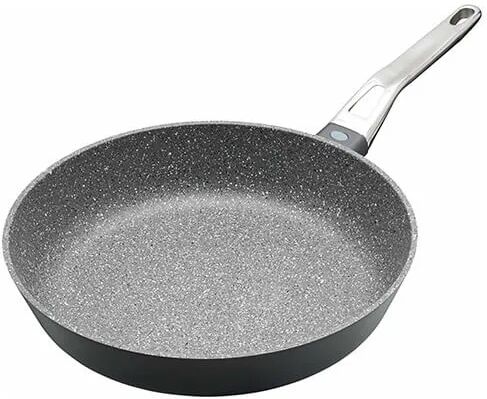
MasterClass Induction Aluminium 20cm Fry Pan Marble CoatingThis 20cm MasterClass Induction Frying Pan has been coated with 2 layers of chemical free non-stick surface. Perfect for healthy omelettes, stir frys and ideal for searing, the non-stick surface ensures that food will not stick. The pan is also oven safe up to 200°C for essential warming of food. The 20cm Induction Frying Pan features an unique cool touch handle for a firm and comfortable grip.27,19 £*Shipping: 3,50 £Secure redirect to the provider
-
MasterClass Induction Aluminium 28cm Fry Pan Marble CoatingThis 28cm MasterClass Induction Frying Pan has been coated with 2 layers of chemical free non-stick surface. Perfect for healthy omelettes, stir frys and ideal for searing, the non-stick surface ensures that food will not stick. The pan is also oven safe up to 200°C for essential warming of food. The 28cm Induction Frying Pan features an unique soft touch handle for a firm and comfortable grip.39,95 £*Shipping: 3,50 £Secure redirect to the provider
-
MasterClass Induction Aluminium 28cm Grill Pan Marble CoatingThis 28cm MasterClass Induction Grill Pan has been coated with 2 layers of chemical free non-stick surface. Perfect for healthy stir frys the ribbed non-stick surface ensures that food will not stick. The pan is also oven safe up to 200°C for essential browning of food. The 28cm Induction Grill Pan features a unique cool touch handle for a firm and comfortable grip.42,39 £*Shipping: 3,50 £Secure redirect to the provider
-
MasterClass Induction Aluminium 24cm Grill Pan Marble CoatingThis 24cm MasterClass Induction Grill Pan has been coated with 2 layers of chemical free non-stick surface. Perfect for healthy stir frys the ribbed non-stick surface ensures that food will not stick. The pan is also oven safe up to 200°C for essential browning of food. The 24cm Induction Grill Pan features an unique folding handle for easy drawer storage when not in use.27,19 £*Shipping: 3,50 £Secure redirect to the provider



-
What is the difference between powder coating and PVD coating?
Powder coating is a dry finishing process where a fine powder is applied to a surface and then heated to form a hard finish. It is typically used on metals, such as aluminum or steel. On the other hand, PVD (Physical Vapor Deposition) coating is a process where a thin film is deposited onto a surface through a vacuum coating process. PVD coatings are typically used to improve the hardness, wear resistance, and corrosion resistance of a material, and are commonly used on tools, watches, and automotive parts. **
-
What is the difference between ceramic coating, nano coating, and waxing?
Ceramic coating is a liquid polymer that chemically bonds with the vehicle's factory paint, creating a protective layer that is resistant to chemicals, UV rays, and scratches. Nano coating is a type of protective coating that uses nanotechnology to create a thin, invisible layer on the surface of the vehicle, providing protection against environmental contaminants and UV rays. Waxing, on the other hand, involves applying a layer of wax to the vehicle's paint to provide a glossy finish and some protection against the elements, but it does not offer the same level of durability and longevity as ceramic or nano coatings. Overall, ceramic and nano coatings provide longer-lasting and more durable protection compared to traditional waxing. **
-
What is powder coating?
Powder coating is a type of coating that is applied as a free-flowing, dry powder. It is typically used to create a hard finish that is tougher than conventional paint. The powder is electrostatically charged and then sprayed onto the surface to be coated. It is then cured under heat, which causes it to flow and form a skin. Powder coating is commonly used on metal surfaces for both decorative and protective purposes. **
-
How long does a bitumen coating typically last in the soil around a house?
Bitumen coating typically lasts around 20-30 years in the soil around a house. However, this can vary depending on factors such as the quality of the coating, the soil conditions, and the amount of moisture present. Regular maintenance and inspection can help prolong the lifespan of the bitumen coating. **

Is this normal tongue coating?
No, the tongue coating in the image appears to be thicker and more discolored than what is typically considered normal. A normal tongue coating is usually thin and clear to white in color. The presence of a thick, yellowish coating may indicate poor oral hygiene, dehydration, or an underlying health issue. It is recommended to consult a healthcare professional for further evaluation and guidance. **
Is tongue coating still normal?
Yes, tongue coating is still considered normal. It is a common occurrence caused by a buildup of bacteria, dead cells, and food debris on the surface of the tongue. However, the thickness and color of the coating can vary depending on factors such as oral hygiene, diet, and overall health. In most cases, tongue coating can be easily removed by gently brushing or scraping the tongue as part of a regular oral hygiene routine. **
Top-Angebote
Products related to Coating:
-
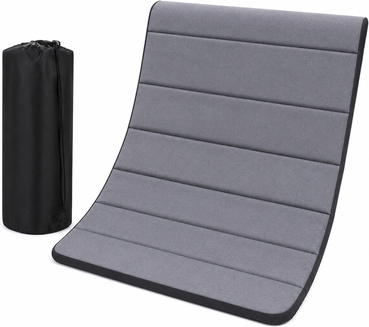
Market Central Portable Camping Mattress With Washable Cover And Waterproof Coating Portable Camping Mattress With Washable Cover And Waterproof CoatingEnjoy a cleaner, more comfortable place to rest wherever life takes you. This portable camping mattress offers a practical sleeping surface for campers, students, overnight guests, and anyone needing an easy temporary bed. Its removable washable...69,97 $*Shipping: 0,00 $Secure redirect to the provider
-
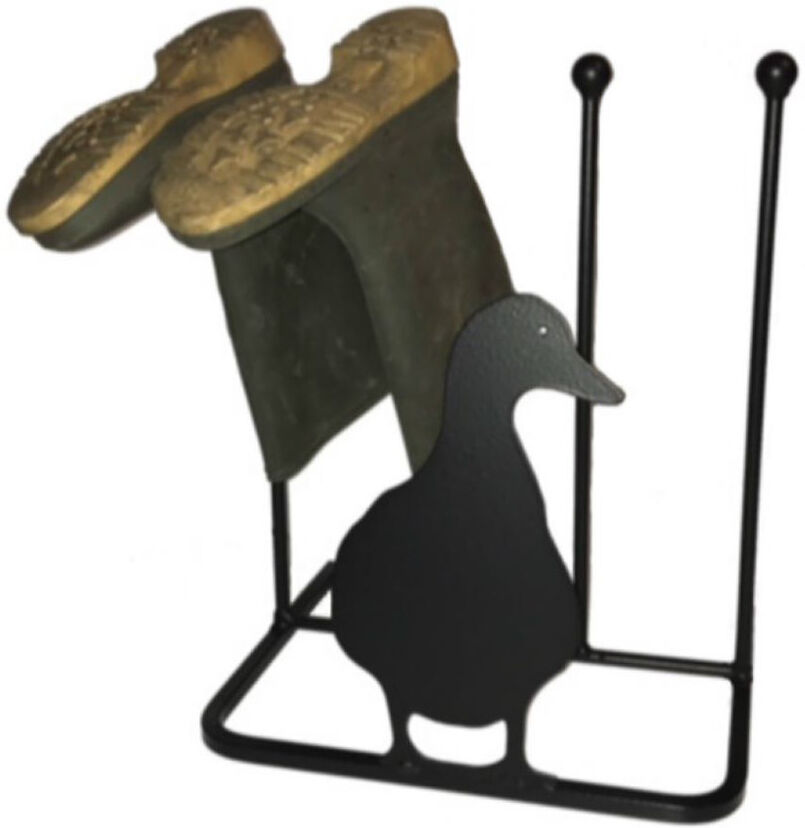
Rebrilliant 2 Pair Boot Storage Powder Coating 2Keep your muddy footwear in a safe and convenient place (either indoors or outdoors) with our wonderful PoppyForge 2 Pair Facing Duck Boot Rack.The PoppyForge 2 Pair Facing Duck Boot Rack is perfect for storing and drying your wet or muddy boots and wellies. Made from solid steel, our boot rack will support continual usage all year round and will stand up excellently to wear and tear, due to its robust, solid steel construction.This rack is hand forged from steel by craftsmen here in England and covered in a durable antique polyester paint that will stand up to the very extremes of British seasonal weather. A row of four steel ball topped rods can accommodate two pairs of boots.This PoppyForge 2 Pair Facing Duck Boot Rack is made from 10-12mm solid steel and is perfect for keeping muddy boots and wellies out of the way and ready for wearing on those country walks, all year round. Rebrilliant59,99 £*Shipping: 0,00 £Secure redirect to the provider
-
MasterClass Induction Aluminium 20cm Fry Pan Marble CoatingThis 20cm MasterClass Induction Frying Pan has been coated with 2 layers of chemical free non-stick surface. Perfect for healthy omelettes, stir frys and ideal for searing, the non-stick surface ensures that food will not stick. The pan is also oven safe up to 200°C for essential warming of food. The 20cm Induction Frying Pan features an unique cool touch handle for a firm and comfortable grip.27,19 £*Shipping: 3,50 £Secure redirect to the provider
-
MasterClass Induction Aluminium 28cm Fry Pan Marble CoatingThis 28cm MasterClass Induction Frying Pan has been coated with 2 layers of chemical free non-stick surface. Perfect for healthy omelettes, stir frys and ideal for searing, the non-stick surface ensures that food will not stick. The pan is also oven safe up to 200°C for essential warming of food. The 28cm Induction Frying Pan features an unique soft touch handle for a firm and comfortable grip.39,95 £*Shipping: 3,50 £Secure redirect to the provider
-
What is the white coating in the potting soil?
The white coating in potting soil is often a result of the accumulation of soluble salts, such as calcium, magnesium, and sodium. These salts can build up in the soil over time, especially if the water used for irrigation contains a high concentration of these minerals. When the water evaporates, the salts are left behind, forming a white crust on the surface of the soil. This white coating can hinder the absorption of water and nutrients by the plant roots, so it's important to leach the soil periodically to remove the excess salts. **
-
"Is the white coating on the soil of my plant mold?"
The white coating on the soil of your plant is most likely not mold. It is more likely to be a harmless substance called perlite, which is often added to potting soil to improve drainage and aeration. Perlite is a naturally occurring volcanic glass that is processed and used in gardening. It is not harmful to plants and is actually beneficial for their growth. If you are unsure, you can gently touch the white coating to see if it feels gritty, which would indicate that it is perlite. **
-
What is the difference between powder coating and PVD coating?
Powder coating is a dry finishing process where a fine powder is applied to a surface and then heated to form a hard finish. It is typically used on metals, such as aluminum or steel. On the other hand, PVD (Physical Vapor Deposition) coating is a process where a thin film is deposited onto a surface through a vacuum coating process. PVD coatings are typically used to improve the hardness, wear resistance, and corrosion resistance of a material, and are commonly used on tools, watches, and automotive parts. **
-
What is the difference between ceramic coating, nano coating, and waxing?
Ceramic coating is a liquid polymer that chemically bonds with the vehicle's factory paint, creating a protective layer that is resistant to chemicals, UV rays, and scratches. Nano coating is a type of protective coating that uses nanotechnology to create a thin, invisible layer on the surface of the vehicle, providing protection against environmental contaminants and UV rays. Waxing, on the other hand, involves applying a layer of wax to the vehicle's paint to provide a glossy finish and some protection against the elements, but it does not offer the same level of durability and longevity as ceramic or nano coatings. Overall, ceramic and nano coatings provide longer-lasting and more durable protection compared to traditional waxing. **
Similar search terms for Coating
-
MasterClass Induction Aluminium 28cm Grill Pan Marble CoatingThis 28cm MasterClass Induction Grill Pan has been coated with 2 layers of chemical free non-stick surface. Perfect for healthy stir frys the ribbed non-stick surface ensures that food will not stick. The pan is also oven safe up to 200°C for essential browning of food. The 28cm Induction Grill Pan features a unique cool touch handle for a firm and comfortable grip.42,39 £*Shipping: 3,50 £Secure redirect to the provider
-
MasterClass Induction Aluminium 24cm Grill Pan Marble CoatingThis 24cm MasterClass Induction Grill Pan has been coated with 2 layers of chemical free non-stick surface. Perfect for healthy stir frys the ribbed non-stick surface ensures that food will not stick. The pan is also oven safe up to 200°C for essential browning of food. The 24cm Induction Grill Pan features an unique folding handle for easy drawer storage when not in use.27,19 £*Shipping: 3,50 £Secure redirect to the provider
-
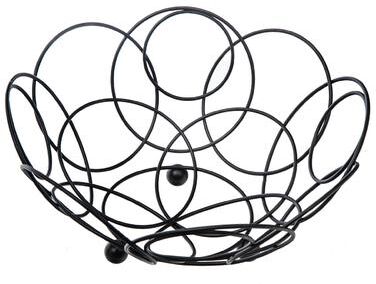
IH Casa Decor Fruit Basket With Black Powder CoatingKeep all your veggies and fruits in the durable and stylish Fruit Basket with Black Powder Coating. This stainless-steel made basket comes with a circular shaped design which complements all kinds of utensils.29,49 $*Shipping: 0,00 $Secure redirect to the provider
-
MasterClass Induction Aluminium 3 Section Grill Pan Marble CoatingThis MasterClass induction 3 Section Grill Pan has been coated with 2 layers of chemical free non-stick surface. Perfect for a hearty English breakfast keeping your bacon, eggs and sausages or whatever you fancy cooking separately in each section. The pan is also oven safe up to 200°C for essential warming of food. The 3 Section Induction Grill Pan features a unique cool touch handle for a firm and comfortable grip.45,59 £*Shipping: 3,50 £Secure redirect to the provider
-
What is powder coating?
Powder coating is a type of coating that is applied as a free-flowing, dry powder. It is typically used to create a hard finish that is tougher than conventional paint. The powder is electrostatically charged and then sprayed onto the surface to be coated. It is then cured under heat, which causes it to flow and form a skin. Powder coating is commonly used on metal surfaces for both decorative and protective purposes. **
-
How long does a bitumen coating typically last in the soil around a house?
Bitumen coating typically lasts around 20-30 years in the soil around a house. However, this can vary depending on factors such as the quality of the coating, the soil conditions, and the amount of moisture present. Regular maintenance and inspection can help prolong the lifespan of the bitumen coating. **
-
Is this normal tongue coating?
No, the tongue coating in the image appears to be thicker and more discolored than what is typically considered normal. A normal tongue coating is usually thin and clear to white in color. The presence of a thick, yellowish coating may indicate poor oral hygiene, dehydration, or an underlying health issue. It is recommended to consult a healthcare professional for further evaluation and guidance. **
-
Is tongue coating still normal?
Yes, tongue coating is still considered normal. It is a common occurrence caused by a buildup of bacteria, dead cells, and food debris on the surface of the tongue. However, the thickness and color of the coating can vary depending on factors such as oral hygiene, diet, and overall health. In most cases, tongue coating can be easily removed by gently brushing or scraping the tongue as part of a regular oral hygiene routine. **
* All prices are inclusive of VAT and, if applicable, plus shipping costs. The offer information is based on the details provided by the respective shop and is updated through automated processes. Real-time updates do not occur, so deviations can occur in individual cases. ** Note: Parts of this content were created by AI.