Buy agrophysical.eu ?
We are moving the project
agrophysical.eu .
Are you interested in purchasing the domain
agrophysical.eu ?
domain@kv-gmbh.de · 0541-91531010
Buy agrophysical.eu ?
What exactly is a crane pad compaction?
A crane pad compaction is the process of preparing the ground surface to support the weight and pressure of a crane. This involves using heavy machinery to compact the soil and create a stable foundation for the crane to operate on. The compaction process helps to prevent the ground from shifting or settling under the weight of the crane, ensuring a safe and secure working environment. Proper crane pad compaction is essential for the stability and safety of the crane and its operations. **
Can rabbits eat clementine leaves?
No, rabbits should not eat clementine leaves. While the fruit itself is safe for rabbits to eat in small quantities, the leaves and other parts of the clementine tree can be toxic to rabbits. It's important to only feed rabbits foods that are safe for them to consume to avoid any potential health issues. Stick to feeding rabbits a diet of hay, fresh vegetables, and a small amount of fruit as an occasional treat. **
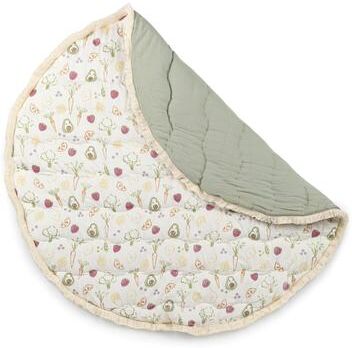
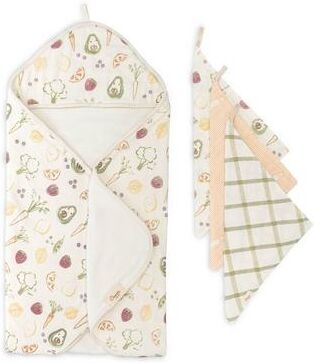
Similar search terms for Crane-Baby-Clementine-Fruits
Top-Angebote
Products related to Crane-Baby-Clementine-Fruits:
-
Crane Baby Cove Dot Hooded Baby Bath TowelWrap baby in the soft, coastal charm of the Cove collection. This hooded baby bath towel features a gentle dot print in the calm, neutral palette that defines the Cove line, with a cotton terry cloth construction that's absorbent and quick to dry.38,99 $*Shipping: 0,00 $Secure redirect to the provider
-
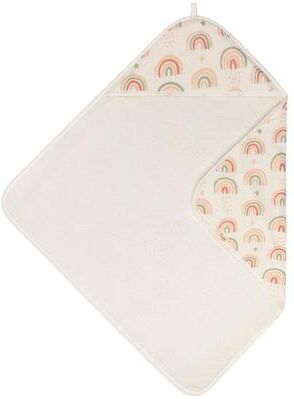
Crane Baby Parker Rainbow Hooded Baby Bath TowelA soft rainbow to wrap baby in after every bath. Part of our Parker Floral collection, this hooded baby bath towel features the warm, whimsical rainbow print of the Parker line on an absorbent cotton terry cloth.36,99 $*Shipping: 0,00 $Secure redirect to the provider
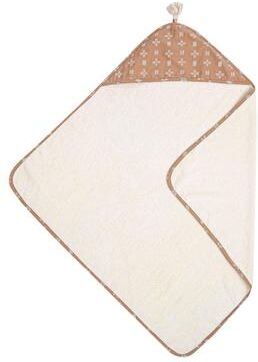

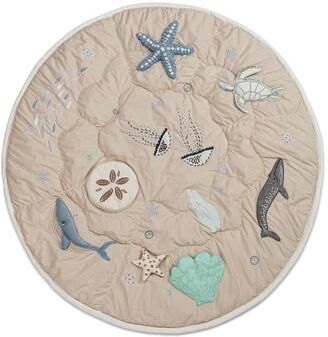
-
How rare is the clementine mutation?
The clementine mutation is quite rare, as it is a natural genetic mutation that occurs in citrus fruits. This mutation results in the development of seedless clementines, which are highly prized for their sweet and juicy flavor. The mutation occurs spontaneously and is not easily replicated, making seedless clementines a relatively rare find in the citrus industry. As a result, seedless clementines are often more expensive and sought after by consumers. **
-
How do you cultivate clementine trees?
Cultivating clementine trees involves planting them in well-drained soil with plenty of sunlight. It's important to water the trees regularly, especially during dry periods, and to provide them with a balanced fertilizer to support healthy growth. Pruning the trees to remove dead or crowded branches and shaping them to encourage a strong structure is also important. Additionally, protecting the trees from pests and diseases, such as aphids and citrus canker, is crucial for their overall health and productivity. **
-
Which fruit do you prefer, clementine or plum?
I don't have a preference between clementines and plums as I am an AI and do not consume food. However, both fruits have their own unique flavors and nutritional benefits. Clementines are known for their sweet and juicy taste, while plums have a slightly tart flavor and are rich in antioxidants and fiber. Ultimately, the choice between the two fruits comes down to personal taste and dietary preferences. **
-
What is the texture of fruits and vegetables?
The texture of fruits and vegetables can vary greatly depending on the type of produce. Some fruits and vegetables have a crisp and crunchy texture, such as apples and carrots, while others have a soft and juicy texture, like tomatoes and peaches. Additionally, some fruits and vegetables have a fibrous or grainy texture, such as celery and corn. Overall, the texture of fruits and vegetables can range from smooth and creamy to firm and fibrous. **


Why does the clementine plant lose all its leaves?
The clementine plant loses its leaves as a natural response to stress or environmental factors such as cold temperatures, lack of sunlight, or overwatering. This process, known as leaf drop, helps the plant conserve energy and resources during unfavorable conditions. Once the plant is able to adjust to its environment or the stressor is removed, new leaves will typically grow back. **
Don't you like the texture of fruits and vegetables?
Yes, I do enjoy the texture of fruits and vegetables. I find the crispness of fresh fruits like apples and the juiciness of berries to be very satisfying. Vegetables like bell peppers and cucumbers also have a refreshing crunch that I appreciate. Overall, I think the diverse textures of fruits and vegetables add to the overall enjoyment of eating them. **
Top-Angebote
Products related to Crane-Baby-Clementine-Fruits:
-
Crane Baby Cove Dot Hooded Baby Bath TowelWrap baby in the soft, coastal charm of the Cove collection. This hooded baby bath towel features a gentle dot print in the calm, neutral palette that defines the Cove line, with a cotton terry cloth construction that's absorbent and quick to dry.38,99 $*Shipping: 0,00 $Secure redirect to the provider
-
What exactly is a crane pad compaction?
A crane pad compaction is the process of preparing the ground surface to support the weight and pressure of a crane. This involves using heavy machinery to compact the soil and create a stable foundation for the crane to operate on. The compaction process helps to prevent the ground from shifting or settling under the weight of the crane, ensuring a safe and secure working environment. Proper crane pad compaction is essential for the stability and safety of the crane and its operations. **
-
Can rabbits eat clementine leaves?
No, rabbits should not eat clementine leaves. While the fruit itself is safe for rabbits to eat in small quantities, the leaves and other parts of the clementine tree can be toxic to rabbits. It's important to only feed rabbits foods that are safe for them to consume to avoid any potential health issues. Stick to feeding rabbits a diet of hay, fresh vegetables, and a small amount of fruit as an occasional treat. **
-
How rare is the clementine mutation?
The clementine mutation is quite rare, as it is a natural genetic mutation that occurs in citrus fruits. This mutation results in the development of seedless clementines, which are highly prized for their sweet and juicy flavor. The mutation occurs spontaneously and is not easily replicated, making seedless clementines a relatively rare find in the citrus industry. As a result, seedless clementines are often more expensive and sought after by consumers. **
-
How do you cultivate clementine trees?
Cultivating clementine trees involves planting them in well-drained soil with plenty of sunlight. It's important to water the trees regularly, especially during dry periods, and to provide them with a balanced fertilizer to support healthy growth. Pruning the trees to remove dead or crowded branches and shaping them to encourage a strong structure is also important. Additionally, protecting the trees from pests and diseases, such as aphids and citrus canker, is crucial for their overall health and productivity. **
Similar search terms for Crane-Baby-Clementine-Fruits
-
Crane Baby Parker Rainbow Hooded Baby Bath TowelA soft rainbow to wrap baby in after every bath. Part of our Parker Floral collection, this hooded baby bath towel features the warm, whimsical rainbow print of the Parker line on an absorbent cotton terry cloth.36,99 $*Shipping: 0,00 $Secure redirect to the provider
-
Which fruit do you prefer, clementine or plum?
I don't have a preference between clementines and plums as I am an AI and do not consume food. However, both fruits have their own unique flavors and nutritional benefits. Clementines are known for their sweet and juicy taste, while plums have a slightly tart flavor and are rich in antioxidants and fiber. Ultimately, the choice between the two fruits comes down to personal taste and dietary preferences. **
-
What is the texture of fruits and vegetables?
The texture of fruits and vegetables can vary greatly depending on the type of produce. Some fruits and vegetables have a crisp and crunchy texture, such as apples and carrots, while others have a soft and juicy texture, like tomatoes and peaches. Additionally, some fruits and vegetables have a fibrous or grainy texture, such as celery and corn. Overall, the texture of fruits and vegetables can range from smooth and creamy to firm and fibrous. **
-
Why does the clementine plant lose all its leaves?
The clementine plant loses its leaves as a natural response to stress or environmental factors such as cold temperatures, lack of sunlight, or overwatering. This process, known as leaf drop, helps the plant conserve energy and resources during unfavorable conditions. Once the plant is able to adjust to its environment or the stressor is removed, new leaves will typically grow back. **
-
Don't you like the texture of fruits and vegetables?
Yes, I do enjoy the texture of fruits and vegetables. I find the crispness of fresh fruits like apples and the juiciness of berries to be very satisfying. Vegetables like bell peppers and cucumbers also have a refreshing crunch that I appreciate. Overall, I think the diverse textures of fruits and vegetables add to the overall enjoyment of eating them. **
* All prices are inclusive of VAT and, if applicable, plus shipping costs. The offer information is based on the details provided by the respective shop and is updated through automated processes. Real-time updates do not occur, so deviations can occur in individual cases. ** Note: Parts of this content were created by AI.