Buy agrophysical.eu ?
We are moving the project
agrophysical.eu .
Are you interested in purchasing the domain
agrophysical.eu ?
domain@kv-gmbh.de · 0541-91531010
Buy agrophysical.eu ?
'How do I remove the pedal axle from a Schwinn bicycle?'
To remove the pedal axle from a Schwinn bicycle, you will need a pedal wrench or a 15mm wrench. First, make sure the bike is stable and secure. Then, use the wrench to turn the pedal axle counterclockwise to loosen it. Once it is loose, you can continue turning it by hand until it is completely removed from the crank arm. Repeat the process for the other pedal axle. Be sure to apply some lubricant to the threads before reinstalling the pedals to prevent them from seizing in the future. **
Is organic herbal soil suitable for indoor plants?
Yes, organic herbal soil can be suitable for indoor plants. Organic herbal soil is typically rich in nutrients and promotes good drainage, which can be beneficial for indoor plants. However, it's important to ensure that the soil is well-draining and not too heavy, as this can lead to waterlogging and root rot in indoor plants. Additionally, some indoor plants may have specific soil requirements, so it's important to consider the specific needs of the plants you are growing. **
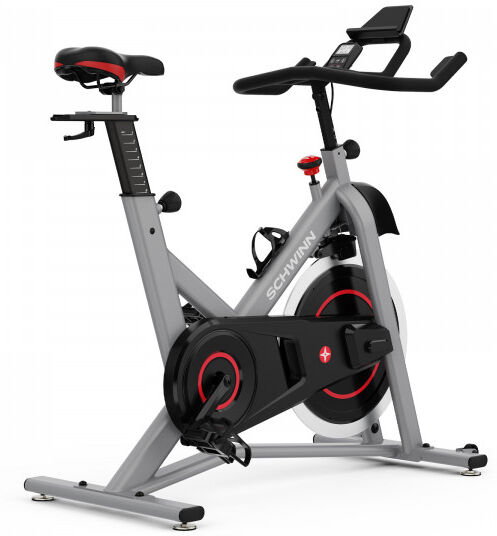

Similar search terms for Schwinn-IC3-5-Indoor
Top-Angebote
Products related to Schwinn-IC3-5-Indoor:
-
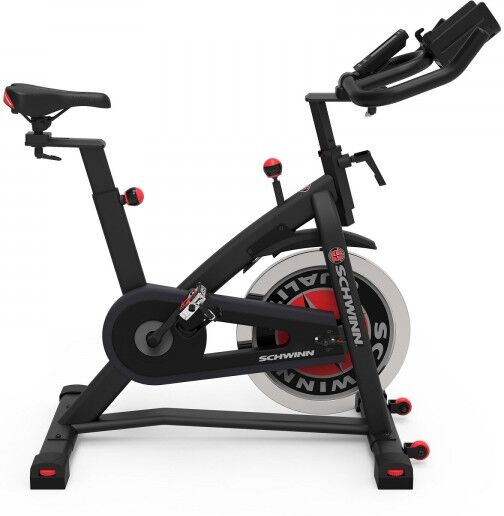
Schwinn 700IC Indoor Cycle Exercise BikeThe Schwinn 700IC Indoor Cycle Exercise Bike- designed with the serious cyclist in mind- sports a range of features to ensure every workout is your best! TAKE A CLOSER LOOK The Schwinn 700IC Indoor Cycle Exercise Bike is a high-quality fitness bike designed for serious cyclists and fitness...499,00 £*Shipping: 0,00 £Secure redirect to the provider
-
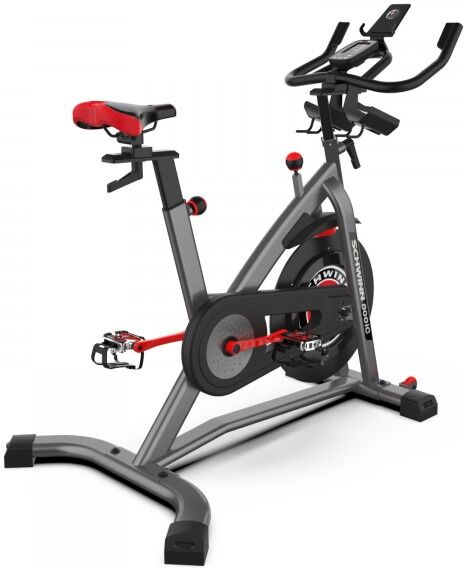
Schwinn 800IC Indoor Cycle (Formerly IC8)SCHWINN 800IC INDOOR CYCLING BIKE: YOUR ULTIMATE HOME FITNESS SOLUTION The Schwinn 800IC Indoor Cycling Bike is designed for accuracy, connection, tailored comfort, and whisper-quiet operation. Its advanced magnetic brake system offers up to 1000 watts of resistance, providing the control...799,00 £*Shipping: 0,00 £Secure redirect to the provider
-
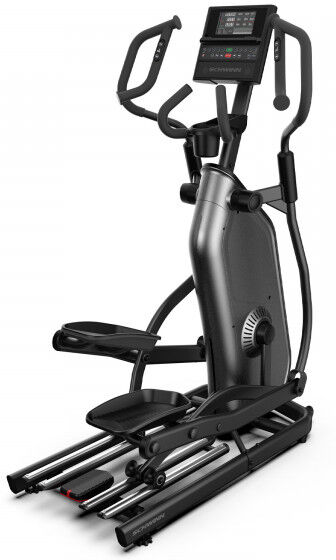
Schwinn 590E EllipticalSMART, ADAPTIVE, AND UNMISTAKABLY SCHWINN. The Schwinn 590E elliptical gives your workouts more shape, more interest, and more momentum. You step onto a smooth 51 cm stride that feels natural straight away, and the motorised incline and decline change how your body works as the session unfolds....1499,00 £*Shipping: 0,00 £Secure redirect to the provider
-
Schwinn 590U Upright BikeSCHWINN 590U UPRIGHT BIKE: SEAMLESS CONNECTIVITY FOR A PREMIUM RIDING EXPERIENCE The Schwinn 590U Upright Bike is a high-performance indoor cycling option designed to bring the efficiency of professional workouts into the comfort of your home. Engineered with cutting-edge technology and...999,00 £*Shipping: 0,00 £Secure redirect to the provider

-
Can I use grave soil for indoor plants?
It is not recommended to use grave soil for indoor plants. Grave soil may contain pathogens, pests, and other contaminants that could harm your indoor plants. Additionally, grave soil may not have the proper nutrients and composition needed for indoor plant growth. It is best to use a high-quality potting mix specifically designed for indoor plants to ensure their health and well-being. **
-
Why does the soil of indoor plants mold?
The soil of indoor plants can mold due to a combination of factors such as overwatering, poor drainage, lack of air circulation, and high humidity levels. When the soil remains consistently moist, it creates a favorable environment for mold spores to grow and thrive. Additionally, organic matter in the soil can also contribute to mold growth if it is not properly broken down or if there is an excess amount present. Regularly monitoring the moisture levels in the soil, providing adequate drainage, and ensuring proper air circulation can help prevent mold growth in indoor plant soil. **
-
How to properly fertilize indoor plants in coconut soil?
To properly fertilize indoor plants in coconut soil, it is important to use a balanced water-soluble fertilizer specifically formulated for indoor plants. Dilute the fertilizer to half the recommended strength to avoid over-fertilizing, as coconut soil tends to retain nutrients well. Fertilize the plants every 4-6 weeks during the growing season, and reduce or stop fertilizing during the dormant winter months. Always water the plants thoroughly after fertilizing to prevent salt buildup in the soil. **
-
Why does the soil of indoor plants get moldy?
The soil of indoor plants can get moldy due to overwatering or poor drainage, creating a damp environment that is conducive to mold growth. Lack of proper air circulation and sunlight can also contribute to mold growth in the soil. Additionally, using contaminated potting soil or introducing infected plants can introduce mold spores into the soil, leading to mold growth. Regularly monitoring the moisture levels in the soil, providing adequate drainage, and ensuring proper air circulation can help prevent mold growth in indoor plant soil. **


How can I get free soil for indoor plants?
You can get free soil for indoor plants by composting your kitchen scraps and yard waste to create nutrient-rich soil. You can also check with local gardening clubs or community gardens to see if they have any excess soil that they are willing to share. Additionally, some municipalities offer free compost or mulch to residents, so you can inquire with your local government about any available programs. Lastly, you can also ask friends or neighbors if they have any extra soil that they are willing to give away. **
How do I use garden soil for indoor plants?
To use garden soil for indoor plants, you should first ensure that the soil is free from pests, diseases, and weed seeds. You can do this by sterilizing the soil in an oven or microwave. Once the soil is clean, you can mix it with some organic matter like compost or peat moss to improve its texture and nutrient content. It's also important to ensure that the soil has good drainage, as indoor plants are more susceptible to overwatering. Finally, be mindful of the specific needs of your indoor plants and adjust the soil mixture as necessary to provide the right growing conditions. **
Top-Angebote
Products related to Schwinn-IC3-5-Indoor:
-
Schwinn IC3.5 Indoor CycleRide Your Way The Schwinn IC3.5 turns your own smartphone or tablet into the centre of your ride. Connect to JRNY, Peloton, Zwift or Kinomap, then choose from studio classes, scenic routes and guided workouts.Choose from 100 electronic resistance levels and change the intensity with the touch of...649,00 £*Shipping: 0,00 £Secure redirect to the provider
-
Life Fitness IC3 Indoor Cycle Powered by ICGThe Life Fitness IC3 Indoor Cycle Powered by ICG combines top-tier design and advanced tech for a high-performance cycling setup. With its WattRate® LCD computer, you can track your power and performance in real time, helping you stay focused and improve each ride. The magnetic resistance dial...1395,00 £*Shipping: 0,00 £Secure redirect to the provider
-
Schwinn 700IC Indoor Cycle Exercise BikeThe Schwinn 700IC Indoor Cycle Exercise Bike- designed with the serious cyclist in mind- sports a range of features to ensure every workout is your best! TAKE A CLOSER LOOK The Schwinn 700IC Indoor Cycle Exercise Bike is a high-quality fitness bike designed for serious cyclists and fitness...499,00 £*Shipping: 0,00 £Secure redirect to the provider
-
Schwinn 800IC Indoor Cycle (Formerly IC8)SCHWINN 800IC INDOOR CYCLING BIKE: YOUR ULTIMATE HOME FITNESS SOLUTION The Schwinn 800IC Indoor Cycling Bike is designed for accuracy, connection, tailored comfort, and whisper-quiet operation. Its advanced magnetic brake system offers up to 1000 watts of resistance, providing the control...799,00 £*Shipping: 0,00 £Secure redirect to the provider
-
'How do I remove the pedal axle from a Schwinn bicycle?'
To remove the pedal axle from a Schwinn bicycle, you will need a pedal wrench or a 15mm wrench. First, make sure the bike is stable and secure. Then, use the wrench to turn the pedal axle counterclockwise to loosen it. Once it is loose, you can continue turning it by hand until it is completely removed from the crank arm. Repeat the process for the other pedal axle. Be sure to apply some lubricant to the threads before reinstalling the pedals to prevent them from seizing in the future. **
-
Is organic herbal soil suitable for indoor plants?
Yes, organic herbal soil can be suitable for indoor plants. Organic herbal soil is typically rich in nutrients and promotes good drainage, which can be beneficial for indoor plants. However, it's important to ensure that the soil is well-draining and not too heavy, as this can lead to waterlogging and root rot in indoor plants. Additionally, some indoor plants may have specific soil requirements, so it's important to consider the specific needs of the plants you are growing. **
-
Can I use grave soil for indoor plants?
It is not recommended to use grave soil for indoor plants. Grave soil may contain pathogens, pests, and other contaminants that could harm your indoor plants. Additionally, grave soil may not have the proper nutrients and composition needed for indoor plant growth. It is best to use a high-quality potting mix specifically designed for indoor plants to ensure their health and well-being. **
-
Why does the soil of indoor plants mold?
The soil of indoor plants can mold due to a combination of factors such as overwatering, poor drainage, lack of air circulation, and high humidity levels. When the soil remains consistently moist, it creates a favorable environment for mold spores to grow and thrive. Additionally, organic matter in the soil can also contribute to mold growth if it is not properly broken down or if there is an excess amount present. Regularly monitoring the moisture levels in the soil, providing adequate drainage, and ensuring proper air circulation can help prevent mold growth in indoor plant soil. **
Similar search terms for Schwinn-IC3-5-Indoor
-
Schwinn 590E EllipticalSMART, ADAPTIVE, AND UNMISTAKABLY SCHWINN. The Schwinn 590E elliptical gives your workouts more shape, more interest, and more momentum. You step onto a smooth 51 cm stride that feels natural straight away, and the motorised incline and decline change how your body works as the session unfolds....1499,00 £*Shipping: 0,00 £Secure redirect to the provider
-
Schwinn 590U Upright BikeSCHWINN 590U UPRIGHT BIKE: SEAMLESS CONNECTIVITY FOR A PREMIUM RIDING EXPERIENCE The Schwinn 590U Upright Bike is a high-performance indoor cycling option designed to bring the efficiency of professional workouts into the comfort of your home. Engineered with cutting-edge technology and...999,00 £*Shipping: 0,00 £Secure redirect to the provider
-
Schwinn 590R Recumbent BikeEFFICIENT, COMFORTABLE WORKOUTS WITH THE SCHWINN 590R RECUMBENT BIKE The Schwinn 590R Recumbent Bike combines advanced technology and ergonomic design to meet the needs of users at any fitness level. The bike comes packed with features for a comfortable, engaging, and effective workout. It...999,00 £*Shipping: 0,00 £Secure redirect to the provider
-
Schwinn Arrow Fixed Jogging Stroller-Double Green/GrayAluminum frame is lightweight for easy handling; 16? pneumatic tires with aluminum rims provide optimum performance; Molded parent tray with two cup holders for convenience; Bicycle-style hand brake gives stopping power; Dual trigger folding...309,99 $*Shipping: 0,00 $Secure redirect to the provider
-
How to properly fertilize indoor plants in coconut soil?
To properly fertilize indoor plants in coconut soil, it is important to use a balanced water-soluble fertilizer specifically formulated for indoor plants. Dilute the fertilizer to half the recommended strength to avoid over-fertilizing, as coconut soil tends to retain nutrients well. Fertilize the plants every 4-6 weeks during the growing season, and reduce or stop fertilizing during the dormant winter months. Always water the plants thoroughly after fertilizing to prevent salt buildup in the soil. **
-
Why does the soil of indoor plants get moldy?
The soil of indoor plants can get moldy due to overwatering or poor drainage, creating a damp environment that is conducive to mold growth. Lack of proper air circulation and sunlight can also contribute to mold growth in the soil. Additionally, using contaminated potting soil or introducing infected plants can introduce mold spores into the soil, leading to mold growth. Regularly monitoring the moisture levels in the soil, providing adequate drainage, and ensuring proper air circulation can help prevent mold growth in indoor plant soil. **
-
How can I get free soil for indoor plants?
You can get free soil for indoor plants by composting your kitchen scraps and yard waste to create nutrient-rich soil. You can also check with local gardening clubs or community gardens to see if they have any excess soil that they are willing to share. Additionally, some municipalities offer free compost or mulch to residents, so you can inquire with your local government about any available programs. Lastly, you can also ask friends or neighbors if they have any extra soil that they are willing to give away. **
-
How do I use garden soil for indoor plants?
To use garden soil for indoor plants, you should first ensure that the soil is free from pests, diseases, and weed seeds. You can do this by sterilizing the soil in an oven or microwave. Once the soil is clean, you can mix it with some organic matter like compost or peat moss to improve its texture and nutrient content. It's also important to ensure that the soil has good drainage, as indoor plants are more susceptible to overwatering. Finally, be mindful of the specific needs of your indoor plants and adjust the soil mixture as necessary to provide the right growing conditions. **
* All prices are inclusive of VAT and, if applicable, plus shipping costs. The offer information is based on the details provided by the respective shop and is updated through automated processes. Real-time updates do not occur, so deviations can occur in individual cases. ** Note: Parts of this content were created by AI.